

Digital Profiles: Are Resumes Becoming Obsolete?

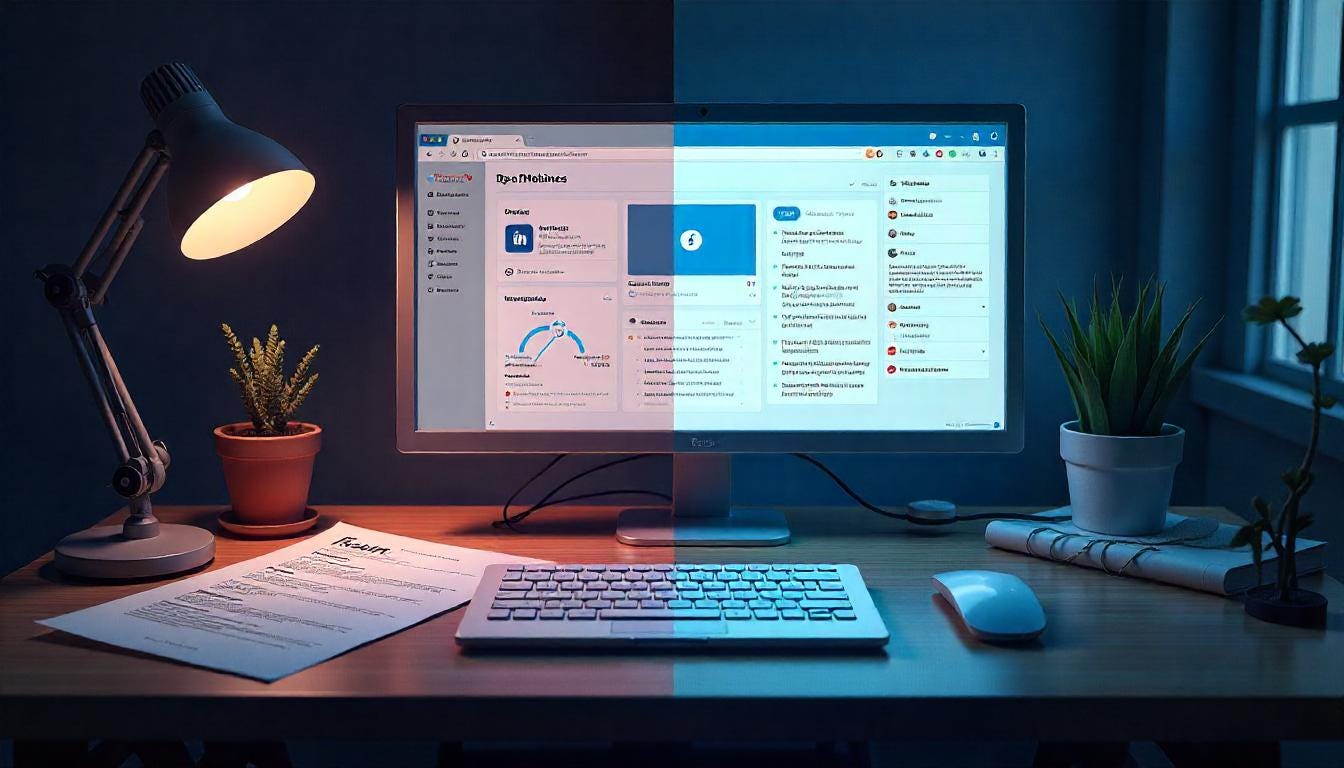
In the rapidly evolving professional landscape of 2025, the traditional resume—a static document summarizing education, work history, and skills—is increasingly being questioned. The rise of digital profiles and the integration of technology in recruitment are reshaping how candidates present themselves and how employers evaluate talent. This blog explores the transformation from conventional resumes to dynamic digital profiles, the implications for job seekers and recruiters, and whether resumes are truly becoming obsolete.
The Rise of Digital Profiles: What Are They?
A digital profile is an online, interactive, and continuously updated professional story that aggregates all your verified achievements, skills, and work experiences in one secure place. Unlike traditional resumes, digital profiles use advanced technologies such as blockchain and cryptographic verification to ensure authenticity and prevent tampering. Key features include:
Verified Credentials: Certificates, badges, and qualifications are cryptographically signed and instantly verifiable.
Real-Time Updates: New achievements and skills are automatically added, keeping the profile current.
Secure and Private: Users control who accesses their information, with data protection compliant with international standards.
Interactive Format: Unlike static PDFs, digital profiles can integrate multimedia, links to projects, and endorsements, offering a richer, more nuanced view of a candidate’s capabilities.
Institutions like MIT and companies such as IBM have adopted blockchain-verified credentials, signalling a broad institutional shift towards digital profiles.
Why Digital Profiles Matter More Than Ever
Employers today prioritize skills-based hiring and seek proof of capabilities rather than mere claims. Research indicates that over 87% of recruiters use digital profiles as their primary screening tool, leveraging AI-powered platforms to analyse verified achievements, professional activity, and networks. Platforms like Eightfold.ai and Hire Vue use AI to match candidates with roles based on dynamic data from digital profiles, often before candidates actively apply.
Moreover, digital footprints—comprising social media activity, online contributions, and digital portfolios—are becoming integral to professional evaluation. For example, software developers’ GitHub profiles serve as living resumes showcasing real code quality and collaboration skills, often outweighing formal education credentials in hiring decisions. Stripe’s "Known Contributors" program hires engineers based on open-source contributions, resulting in higher performance and retention rates compared to traditional hiring.
The Limitations of Traditional Resumes
Traditional resumes have served as a standardized tool for decades but face several critical limitations today:
Static and Outdated: Resumes often become obsolete quickly and require manual updates.
Unverified Claims: They rely on trust and references, which can be time-consuming to validate.
Generic and Redundant: Many resumes use similar buzzwords without demonstrating real impact, making it hard for candidates to stand out.
Limited Scope: They capture only a snapshot of past experiences, failing to reflect ongoing learning or current skills.
These drawbacks have fuelled the search for more authentic, transparent, and efficient ways to present professional qualifications.
The Digital Footprint as the New Resume
Our digital footprint—the trail of online activities, posts, projects, and interactions—is increasingly viewed as a comprehensive representation of professional identity. Employers analyse this footprint to gain insights into candidates’ skills, personality, and cultural fit beyond what resumes can convey.
This shift offers several advantages:
Authentic Representation: Digital footprints showcase real-time engagement and practical skills.
Continuous Learning: Online courses, certifications, and content creation reflect ongoing development.
Broader Context: Social media profiles and portfolios provide context about values, communication style, and professional network.
However, this also raises concerns about privacy, digital discrimination, and the balance between personal and professional online presence.
Are Resumes Becoming Obsolete?
Surveys show a strong belief, especially among Gen Z, that traditional resumes will become obsolete soon. A 2025 survey found that 62% of Gen Zers expect resumes to be replaced by 2028, driven by the rise of AI, digital profiles, and skills-based hiring. Experts agree that while resumes may not disappear entirely, their role is diminishing and evolving.
Many employers still value the structured format of resumes, particularly in traditional industries or roles requiring specific qualifications. The future likely involves a hybrid approach, blending resumes with digital portfolios, video resumes, LinkedIn profiles, and AI-driven assessments.
How to Adapt to the Changing Landscape
For job seekers, embracing digital profiles and managing a strong online presence is essential:
Build a Verified Digital Profile: Use platforms that offer blockchain-verified credentials to showcase your authentic skills and achievements.
Leverage Social Media as a Portfolio: Share your work process, projects, and professional insights on LinkedIn, Instagram, or Twitter to demonstrate real-time impact.
Engage in Online Communities: Contribute to forums, open-source projects, or industry groups to build a visible and credible digital footprint.
Optimize for AI Recruitment: Understand how AI tools scan profiles and tailor your digital presence accordingly to improve discoverability.
Employers, meanwhile, should modernize hiring practices by integrating digital profiles and AI tools to enhance candidate evaluation, reduce bias, and improve hiring efficiency.
The traditional resume is no longer the sole gateway to professional opportunities. Digital profiles, enriched by verified data and dynamic content, offer a more authentic, transparent, and efficient way to present oneself in the job market. While resumes may not vanish entirely, their dominance is waning as digital footprints and AI-driven recruitment redefine how talent is discovered and assessed. Adapting to this new paradigm is crucial for both candidates and employers seeking to thrive in the future of work.

QuickHire stands at the forefront of this shift by leveraging AI and data-driven technology to streamline recruitment. Instead of relying solely on traditional resumes, QuickHire empowers candidates to build rich digital profiles, upload their credentials, and complete customized assessments—all within a user-friendly, mobile-first platform. Its proprietary matching technology pre-screens every applicant, ensuring that employers connect with candidates whose skills and experiences are verified and directly relevant to the job at hand.
For job seekers, QuickHire offers a seamless way to present their full professional story, from education and work history to real-time achievements and skills. The platform’s interactive features—such as “swipe to apply,” chat with hiring managers, and instant interview scheduling—make the process dynamic and engaging, moving far beyond the limitations of static resumes.
Employers benefit from QuickHire’s objective, data-driven candidate ranking and AI-powered matching, which reduce hiring time by 40% and result in talent that stays three times longer than the industry average. The platform’s commitment to unbiased, skills-based hiring aligns perfectly with the broader trend toward digital profiles and authentic professional representation.
As the world of work evolves, platforms like QuickHire are not just adapting—they are leading the way, making traditional resumes less relevant and empowering both candidates and employers to embrace the future of recruitment.
Are you ready to let your digital profile open doors that a resume never could